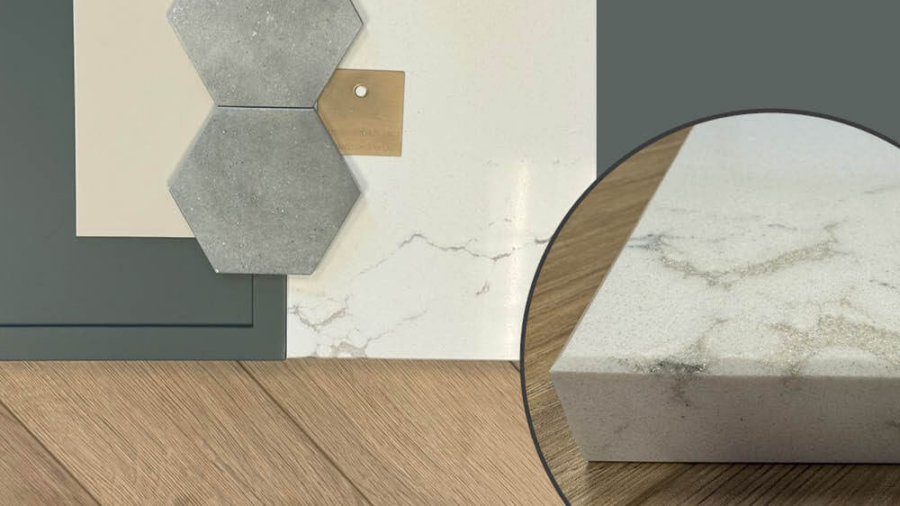
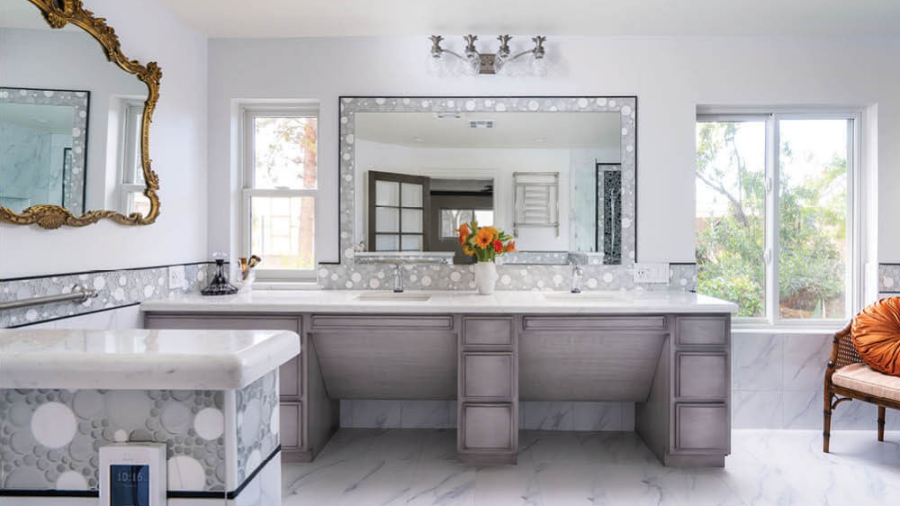
The idea of living in place, often called aging in place, is simple but powerful. It means creating a home that continues to support your comfort, independence, and quality of life as your needs change over time. Rather than reacting to challenges later, living-in-place design is proactive, thoughtful, and deeply personal. A recent project in Rosamond is a perfect example of how small, intentional design choices can make a meaningful difference in everyday living.
Living in Place Is About Ease, Not Age
A common misconception is that aging-in-place design is only for seniors or requires obvious “medical” features. In reality, living in place is about ease. It is about reducing strain, eliminating obstacles, and creating spaces that simply work better for the people who live there.
In one of our home remodels, ongoing back and medical issues made everyday tasks increasingly uncomfortable. Reaching upper cabinets, navigating tight kitchen spaces, and maneuvering around bulky bathroom features had become painful. The goal was not to dramatically alter the home, but to adapt it in ways that restored comfort and confidence.
Lenton Pro Tip:
Living-in-place design works best when it blends seamlessly into the home. The most successful solutions often go unnoticed because they simply make life easier.
Kitchens That Work With You
The kitchen is often the heart of the home, but it is also one of the most physically demanding spaces. Living-in-place kitchen design prioritizes ease of movement, comfortable reach, and layouts that reduce unnecessary bending, stretching, and lifting.
Thoughtful storage placement, clear pathways, and flexible work zones can make everyday tasks feel more manageable and less tiring. Open shelving or pull-out storage keeps frequently used items within reach, while well-planned layouts allow multiple functions to coexist comfortably. Seating options can also provide a welcome place to rest or complete tasks at a more comfortable height.
A kitchen designed for living in place remains a space for gathering, connection, and creativity. By focusing on how the kitchen is used day to day, it can continue to support both everyday living and special moments with family and friends for years to come.
Lenton Pro Tip:
A well-designed kitchen should work for you, not require you to work around it. Small adjustments in layout and storage can have an outsized impact on comfort and usability. If flooring cannot be replaced, look for opportunities to open a space vertically or visually. Removing partial walls or reworking cabinetry can dramatically improve function without disturbing existing finishes.
Bathrooms Designed for Safety and Independence
Bathrooms are often where living-in-place design has the greatest impact. Features that once felt practical can become barriers as needs change, making it harder to move comfortably or complete daily routines with ease.
A well-designed living-in-place bathroom prioritizes open circulation, intuitive layouts, and fixtures that support safe, independent use. Spacious showers with minimal thresholds, thoughtfully placed seating options, and vanities designed for both seated and standing use offer flexibility without sacrificing style. Simplifying the layout and reducing visual and physical obstacles helps the space feel calm, functional, and welcoming.
When these elements are integrated seamlessly, the bathroom supports daily routines without calling attention to the accommodations themselves.
Lenton Pro Tip:
The best bathroom designs begin with how the space is used today and are planned to adapt easily as needs evolve over time.
Storage That Brings Everything Within Reach
One of the simplest ways to improve accessibility is to rethink lower cabinet storage. Traditional base cabinets with fixed shelves often require bending, kneeling, or getting on hands and knees to see what’s stored in the back. For homeowners who want to keep existing cabinetry, replacing fixed shelves with rollouts can make a significant difference by bringing contents forward into view.
In many cases, however, replacing a lower cabinet entirely with deep drawers is an even better long-term solution. Drawers allow you to see everything at once, eliminate awkward reaching, and make everyday items easier to access without strain. This approach works just as well in bathrooms, where drawers can replace lower vanity cabinets to provide clearer visibility and easier access to toiletries and supplies.
Thoughtful storage design like this supports comfort and independence while keeping spaces organized and easy to use.
Lenton Pro Tip:
Drawers are often one of the most effective aging-in-place upgrades. They reduce physical strain and improve visibility, making daily routines simpler and safer.
Thoughtful Design Today, Flexibility for Tomorrow
One of the most important principles of living-in-place design is adaptability. Needs change, sometimes gradually and sometimes unexpectedly. Homes that are designed with flexibility in mind can adjust without requiring major renovations later.
Wider clearances, open layouts, accessible storage, seating options, and intuitive lighting all contribute to a home that feels supportive rather than restrictive. These features benefit everyone, not just homeowners planning for the future.
Lenton Pro Tip:
Planning ahead does not mean overbuilding. Simple steps like adding wall blocking for future grab bars or choosing lever-style hardware can make a big difference later on.
A Home That Grows With You
Living in place is ultimately about designing spaces that adapt to real life. With thoughtful planning, a home can remain comfortable, functional, and welcoming through every stage, allowing homeowners to focus on living rather than working around their space.
At Lenton Company, we believe great design meets people where they are and supports where they are going. Living in place is not about limitation. It is about freedom, comfort, and staying connected to the life you love in the home you call your own.
Lenton Pro Tip:
The best time to plan for living in place is before it becomes necessary. Even modest updates today can preserve independence and peace of mind for years to come.
Living in place is about creating a home that supports you today and adapts gracefully for the years ahead. With thoughtful planning, even small updates can make daily life easier and more comfortable.
If you are considering changes to your home, now is the ideal time to start the conversation. Our team is happy to help you explore design options that support long-term comfort, independence, and peace of mind. Give us a call at 661.273.9179 or visit lentoncompany.com to get started and let’s talk about how to bring everyday luxury to your home.